
Everyone’s using AI at work now writing emails, drafting proposals, even talking to clients. But somewhere in the middle of all this convenience, a real question pops up: are you still you when a machine helps you sound smart? Let’s dig into it.
What Is Authenticity in the Age of AI?
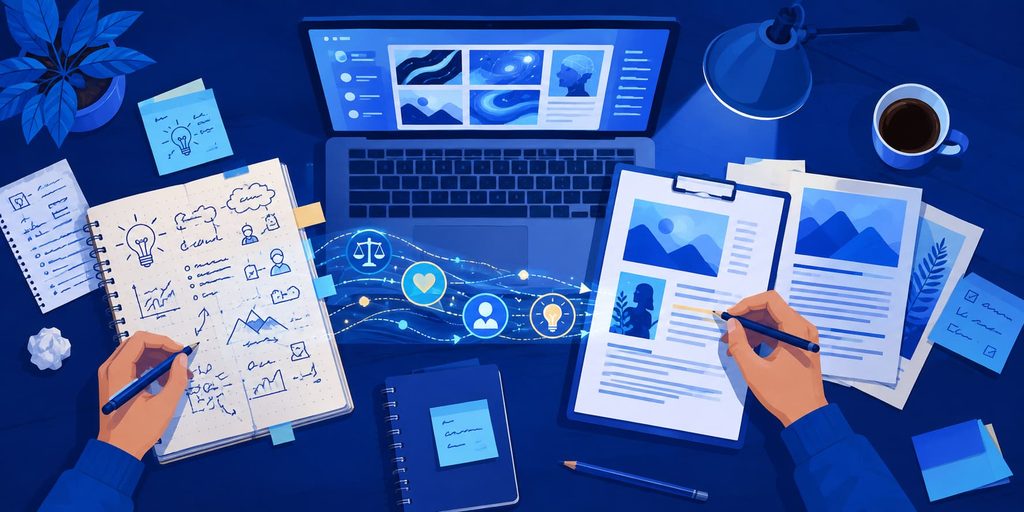
Authenticity simply means being real. It’s your actual voice, your honest opinions, your way of explaining things. In the age of AI, that gets trickier, because tools can now write, speak, and even “think” in ways that sound a lot like you. Here’s the thing though the question isn’t whether AI can imitate you. It’s whether you let it replace you. Genuine AI content still needs a human fingerprint on it: your judgment, your values, your final say.
What Does “Authenticity vs AI” Really Mean?
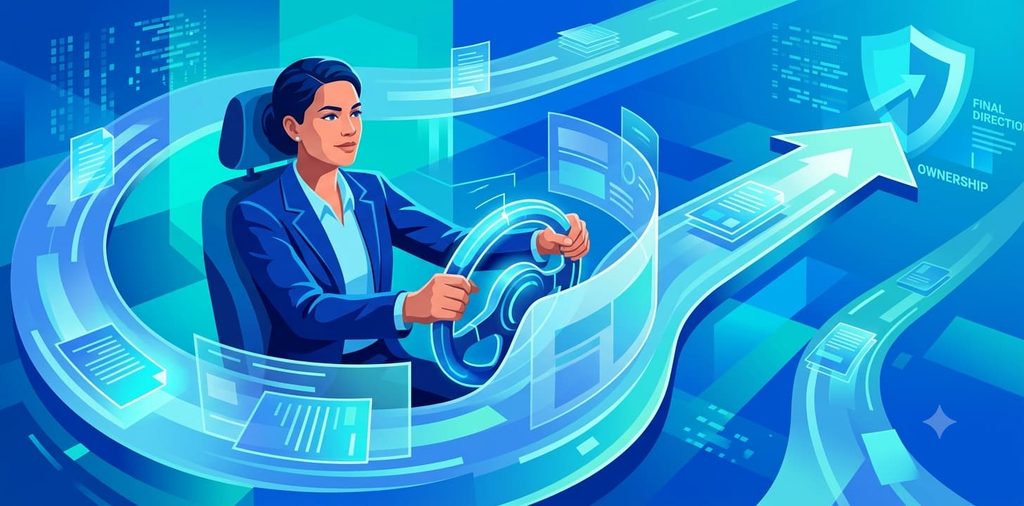
This phrase gets thrown around a lot, so let’s break it down plainly. It’s not about picking sides between humans and machines. It’s about ownership. When you use AI productivity tools for professionals to draft a report or answer client questions, who’s really behind the words? If you review it, adjust it, and stand behind every sentence, it’s still yours. Copy-paste it without a second look, though, and you’ve handed your voice over to a tool that doesn’t know your story, your clients, or your reputation.
The debate really comes down to one thing: control. Are you steering the AI, or is it steering you?
Why This Debate Matters for Working Professionals

This isn’t just a philosophical question for tech folks. It affects real careers and real paychecks. And it’s not a small, fringe trend anymore recent Pew Research data shows a growing share of U.S. workers now use AI to do at least part of their job, with usage climbing from about 16% to roughly 21% in just a year. That’s a lot of people quietly deciding, every day, how much of their work is really “theirs.” Pew Research Center
Trust
Clients and coworkers trust people, not algorithms. If your emails, proposals, or social posts feel hollow or robotic, people notice even if they can’t explain why. Trust erodes quietly, one generic message at a time.
Career growth
Your reputation is built on how you communicate, solve problems, and show up. If AI does all the thinking for you, you will stop growing those skills. And in the long run, that hurts your career more than any productivity tool can help it.
Benefits of Using AI in Your Daily Work
AI isn’t the enemy here. Used well, it’s like having a smart assistant who never gets tired.
Saves Time
Instead of spending an hour writing a report from scratch, you get a solid first draft in minutes. That extra hour can go toward actual client work, planning, or honestly, just breathing.
Reduces Mistakes
AI is great at catching typos, awkward phrasing, or missing details. Think of it as a second pair of eyes that never blinks.
Boosts Productivity
When routine tasks scheduling, summarizing, formatting get handled quickly, you can focus on the parts of your job that actually need a human brain: strategy, relationships, creative problem-solving.
Makes Learning Easier
AI tools can explain complex topics in simple terms, almost like a patient tutor. If you’re in a new role or industry, this can shorten your learning curve significantly.
Used this way, AI doesn’t erase your value. It clears the clutter so your real skills can actually shine through.
The Importance of Ethical and Transparent AI
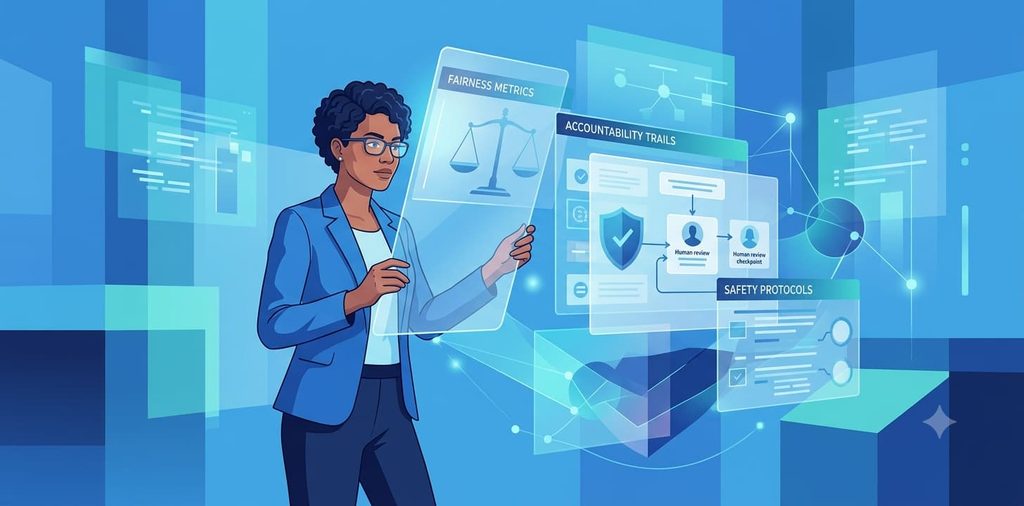
With great convenience comes great responsibility cliche , but true.
Fairness
AI should support decisions, not make biased ones on your behalf. Blindly trusting output without checking for fairness can backfire, especially in hiring, healthcare, or legal work.
Accountability
If an AI tool gives bad advice and you pass it along without checking, you’re still responsible. The tool doesn’t take the blame. You do.
Safety
Especially in fields handling sensitive data, safety means knowing what information you’re feeding into these systems and where it might end up.
Ethical AI use isn’t about avoiding the tools. It’s about using them with your eyes open.
Risks of Losing Authenticity to AI
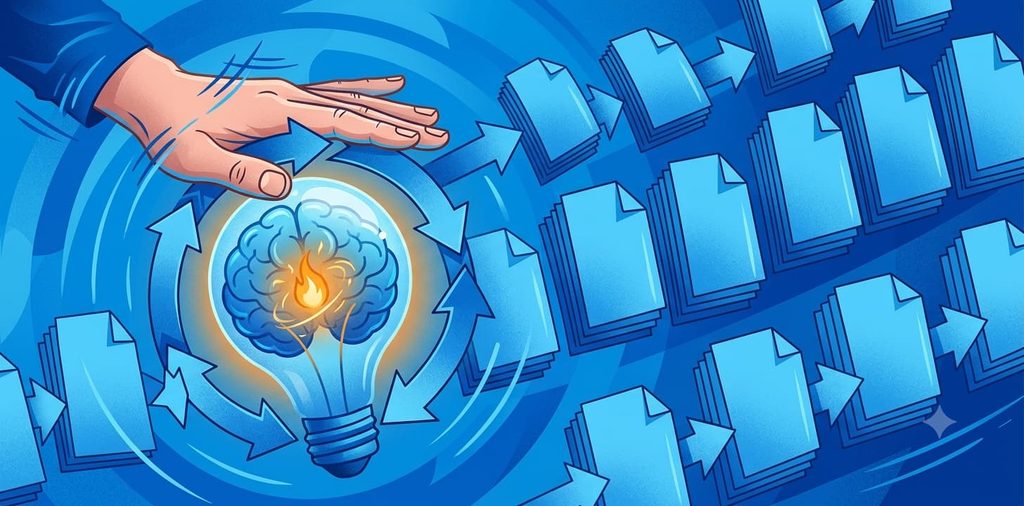
Here’s where things get real. Overusing AI without thought can quietly chip away at what makes you, you.
Sounding Like Everyone Else
AI tools often pull from similar patterns and phrases. That’s why so much AI-written content feels eerily similar same structure, same tone, same buzzwords. In real estate, for example, this shows up constantly in listing descriptions that all start to blur together. If you’ve ever wondered how to avoid sounding like every listing on the market, you already know this problem firsthand.
Copying Instead of Creating
There’s a difference between using AI as a springboard and using it as a crutch. When you stop creating and start just accepting whatever AI spits out, you lose the muscle of original thinking. And that muscle, once it weakens, is surprisingly hard to build back.
Identity and Individuality
Your quirks, your humor, your specific way of explaining things that’s your brand. Let AI smooth all of that away, and you become forgettable. In a crowded market, forgettable is the last thing you want to be.
Authenticity vs AI by Profession
Not every job needs the same balance of human touch and AI help. Context matters a lot here — what’s perfectly fine to automate in one field could be a real problem in another. Here’s a quick breakdown before we go deeper.
| Profession | Risk Level | Recommended Approach |
| Legal | High | Human review required on every client-facing document |
| Healthcare | High | AI for admin and scribing only never for diagnosis or patient conversations |
| Real Estate | Medium | AI-assisted drafts, always personalize before publishing |
| Sales | Medium | AI for first-draft outreach, human touch before hitting send |
| HR | Medium | AI for job descriptions, human review for tone and fairness |
| Education | Low-Medium | AI for quizzes and admin work, teacher judgment for feedback |
| Small Business (admin tasks) | Low | AI can usually handle this directly with minimal oversight |
Why Authenticity Matters More in Some Jobs

Some professions carry high stakes, where a mistake or a robotic tone can cause real harm. Legal work is a perfect example. Contracts, NDAs, and legal advice require precision and human judgment a small misread clause could cause serious consequences. That’s exactly why testing tools carefully matters so much, as shown in this deep dive on AI in legal work, where a real NDA was reviewed to see how well an AI assistant actually performed.
Healthcare is similar. Patients want to feel heard, not processed. But AI still has a place here, too many doctors are using AI in healthcare tools like AI scribes to cut charting time in half, freeing them up to actually look patients in the eye instead of typing notes the whole visit. The lesson? AI can support the admin side, but the human connection stays firmly human.
Why AI Is Totally Fine in Other Jobs
On the flip side, some tasks are naturally repetitive and low-risk. Scheduling posts, formatting spreadsheets, sorting emails none of that needs a personal touch. Nobody cares if a calendar invite was written by a human or a bot. In these cases, leaning on AI productivity tools for professionals just makes sense.
The Middle Ground “AI-Assisted, Human-Approved”
Most jobs fall somewhere in between. Sales reps can use AI to draft outreach emails, but they should personalize them before hitting send. HR teams can use AI to write job descriptions, but a real person should review them for tone and fairness. Teachers can use AI to build quizzes, but they still know their students best no algorithm has sat in that classroom all year.
The Core Rule to Remember
If a mistake could hurt someone’s health, finances, legal standing, or trust in you, slow down and add a human layer. If it’s low-stakes and repetitive, let AI take the wheel.
Why Authenticity is More Important Than Ever
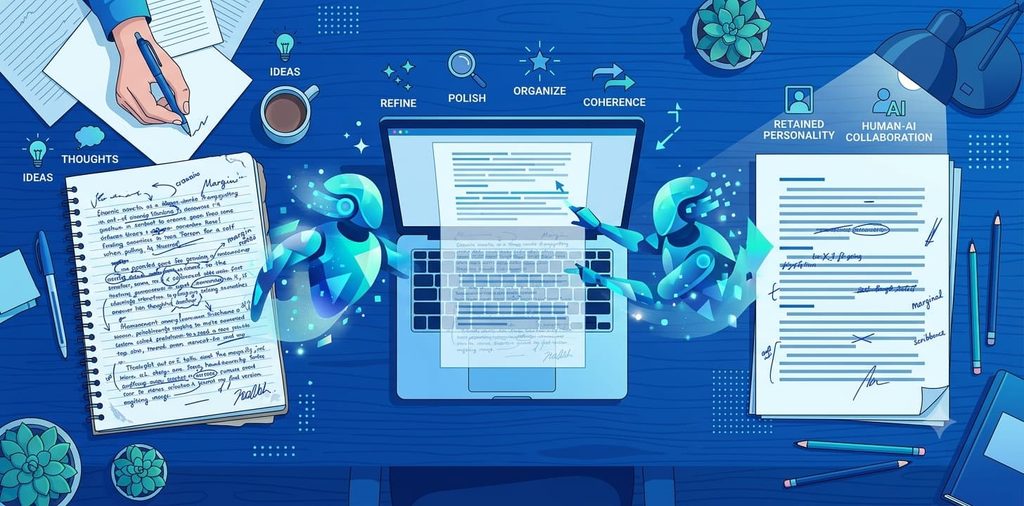
With AI content flooding every inbox and social feed, standing out has never been harder or more important.
We’re drowning in fake stuff
Between deepfakes, spammy ads, and cookie-cutter content, people are exhausted by anything that feels manufactured. Genuine AI content stands out simply because it’s rare. That scarcity, oddly enough, is now a competitive edge.
Authenticity builds loyalty
People don’t just buy products or services. They buy trust. When your communication feels real, consistent, and human, people stick around. That loyalty is hard to build and even harder to fake long-term.
How to Use AI Without Losing Your Authentic Voice
Good news: staying authentic while using AI isn’t complicated. It just takes intention.
Use AI as a Helper, Not a Replacement
Think of AI like a junior assistant smart, fast, but still needs your final approval. If you’re producing long-form content regularly, it also helps to know your options. This comparison of AI writing assistants breaks down how different tools perform for longer pieces, which can help you pick the right one for your workflow instead of settling for whatever’s popular.
Edit, Don’t Just Copy-Paste
Always read through AI output like you’re editing a coworker’s draft. Cut the fluff, add your voice, fix anything that feels “off.” This single habit prevents most authenticity problems before they even start.
Write Your First Draft Yourself
For high-stakes or highly personal content, try writing the first version yourself, even if it’s rough. Then use AI to polish grammar or structure. This keeps your original thoughts at the center instead of an afterthought.
How to Strike the Right Balance Between AI and Authenticity
Finding the sweet spot between speed and sincerity isn’t about rules. It’s about knowing where to lean on AI and where to lean on yourself.
Why This Balance Matters
Too much AI, and you lose your voice. Too little, and you burn out doing everything manually. Balance keeps you efficient without becoming replaceable.
Let AI Handle the Heavy Lifting
Use it for research, summarizing, formatting, and repetitive writing tasks. This is where AI shines brightly, and where it saves you the most time.
Keep the Human Parts Human
Decisions, relationships, feedback, anything emotionally sensitive keep that in your hands. These are the moments where trust is built or broken, not something to outsource.
Signs Your Content Has Lost Its Authenticity
Sometimes the warning signs are obvious. Sometimes they sneak up on you.
Too Much Polish, Not Enough Personality
If you’re writing suddenly sounds like a corporate brochure with no personality, that’s a red flag. Real writing has small imperfections. That’s okay it’s actually a feature, not a bug.
It Sounds Like Everyone Else
This is one of the biggest complaints professionals hear today: does AI sound fake? Often, yes, especially when everyone’s using the same prompts and tools. If your content reads exactly like your competitor’s, something’s gone wrong. It ties right back to that earlier point about content risking sounding like every listing or every post generic, blending into a sea of sameness instead of standing apart.
Should You Disclose AI Use to Clients or Customers?
This question comes up more and more, and honestly, it deserves a straightforward answer: usually, yes.
Clients May Have Concerns About Data Privacy
If you’re feeding client information into an AI tool, they have a right to know. These builds trust rather than damaging it.
It Shows Honesty and Professionalism
Being upfront about using AI (especially for admin tasks) shows confidence, not weakness. Most clients appreciate transparency far more than perfection.
It Protects You from Future Disputes
If something goes wrong down the line, having been transparent about your process protects your reputation and your business.
Tools That Help Balance Authenticity and AI
Not all AI tools are built the same. Some are designed to replace your input. Others are built to enhance it. That difference matters more than most people realize.
How Balancing Tools Help
Some tools are specifically designed to keep human oversight built into the process, rather than fully automating everything.
Simple Examples
Grammar and tone checkers help polish your own writing instead of replacing it. AI meeting summarizers save time on notes but leave decision-making to you. Chat assistants can draft replies, but you choose what to send. The key theme across all of these: AI supports the process, but you remain the final checkpoint.
Common Mistakes Professionals Make When Using AI
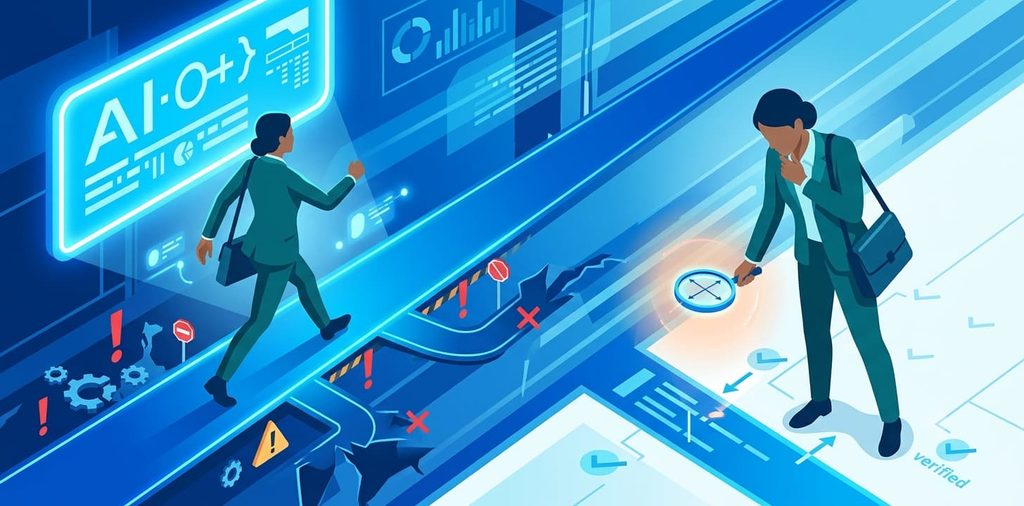
Most authenticity problems don’t come from using AI itself. They come from a handful of avoidable habits.
Trusting AI Blindly
AI can be confidently wrong. Never assume it’s 100% accurate, especially with facts, numbers, or legal language.
Giving Vague Instructions
Vague prompts lead to generic results. The clearer your instructions, the more personalized and useful the output becomes.
Sharing Sensitive Information
Avoid pasting confidential client data, medical details, or legal documents into public AI tools unless you’re certain about data security.
Not Reviewing the Output
This is the biggest mistake of all. Skipping the review step is exactly how robotic, generic, or even incorrect content slips through.
The Future of Authenticity in an AI-Driven Workplace
As AI tools keep getting smarter, the question of what stays uniquely human is only going to get louder. This isn’t slowing down either Gallup’s workforce data shows the share of U.S. employees using AI at work at least a few times a year jumped from 40% to 45% in a single quarter of 2025, and that curve is only expected to climb. Gallup
Why This Is a Real Concern
As AI gets better at mimicking human tone, the line between real and artificial will blur even more. That makes authenticity not just a nice trait, but a competitive advantage.
What the Future Might Look Like
Expect more transparency requirements, more AI usage policies at companies, and a growing demand for that unmistakable human touch AI simply can’t replicate genuine empathy, humor, and judgment.
Conclusion: Finding the Right Balance
AI isn’t going anywhere, and honestly, it shouldn’t. Used wisely, it makes work faster and easier. But your voice, your judgment, and your relationships are still yours to protect. The goal was never choosing between authenticity and AI. It’s making sure AI works for you, not instead of you.
